
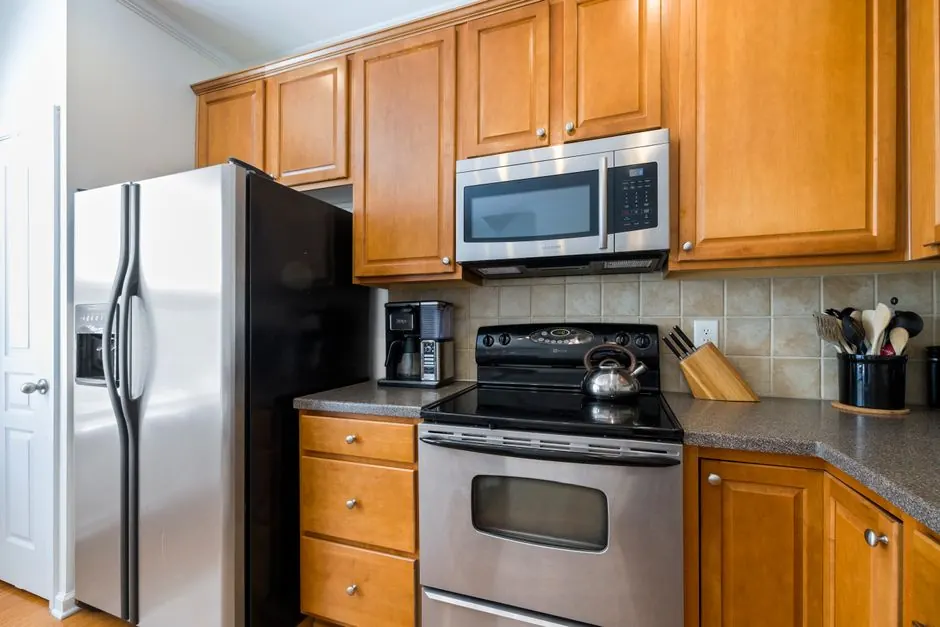
If you've noticed your microwave making a strange noise, you're not alone. Many East Orange residents experience this issue, which can stem from various causes. In this post, we will explore the common reasons your microwave may be noisy and provide troubleshooting tips to help you address these problems effectively.
Common Causes of Microwave Noise
Understanding the source of the noise can help you determine the best course of action. Here are some common causes:
- Turntable Issues: If the turntable is misaligned or obstructed, it can create unusual sounds. Ensure it spins freely and is correctly positioned.
- Magnetron Malfunction: The magnetron is responsible for generating microwave radiation. If it is failing, it might produce buzzing or humming noises.
- Fan Problems: Microwaves have cooling fans that can become noisy if they are obstructed or damaged. Check for debris or signs of wear.
- Loose Parts: Over time, screws and components can loosen, leading to rattling sounds during operation. Regular checks can prevent this.
- Electrical Issues: A malfunctioning electrical component can lead to noise. If you hear popping or crackling, this could be a sign of electrical problems.
How to Troubleshoot a Noisy Microwave
When your microwave starts making noise, follow these steps to troubleshoot the issue:
- Inspect the Turntable: Remove the turntable and check for any obstructions. Clean the area and ensure the turntable is seated correctly.
- Listen for Specific Sounds: Identify the type of noise. Buzzing may indicate a magnetron issue, while rattling could suggest loose parts.
- Check the Fan: Remove any debris from the fan area. If the fan is still noisy, it may need replacement.
- Examine the Microwave's Interior: Look for signs of damage or wear. If you notice anything unusual, it may require professional attention.
- Consult the Manual: Refer to your microwave's manual for troubleshooting tips specific to your model.
Common Microwave Problems in East Orange
Residents in East Orange often face similar microwave issues. Some common problems include:
- Microwaves Not Heating: This can be due to a faulty magnetron or capacitor.
- Uneven Heating: This might indicate a malfunctioning turntable or an issue with the microwave's internal components.
- Door Seal Issues: A worn door seal can cause heat to escape and may lead to noise. Regularly check the seal for damage.
What to Watch Out For
When dealing with a noisy microwave, keep an eye on these warning signs:
- Unusual Smells: If you smell burning or electrical odors, stop using the microwave immediately.
- Smoke: Any sign of smoke indicates a serious problem that requires immediate attention.
- Frequent Noises: If the noise persists even after troubleshooting, it may be time to consult a professional.
When to Call a Professional
If troubleshooting does not resolve the issue, it's time to contact a professional. At Microwave Repair East Orange NJ, we specialize in diagnosing and fixing noisy microwaves. Our experienced technicians can quickly identify the problem and provide effective solutions.
Frequently Asked Questions
Here are some common questions regarding noisy microwaves:
- What causes a microwave to make noise in East Orange? Common causes include turntable issues, magnetron malfunctions, and fan problems.
- How can I reduce noise from my microwave? Ensure the turntable is aligned, clean the fan area, and check for loose components.
- Is it safe to use a noisy microwave in East Orange? If the noise is unusual and persistent, it's best to stop using it and seek professional help.